MAZDA ENGINE CODE • SHY1
Mazda SHY1 Engine — Identification, Applications and Checks
This guide is for UK Mazda owners, workshops and buyers investigating an SHY1 2.2 SkyActiv-D replacement-engine requirement, including CX-5 enquiries. It explains how to identify the engine, what should be diagnosed before replacement and how to compare tested used, reconditioned and supply-and-fit routes. Exact CX-5 application, output and interchangeability should be confirmed against reliable technical evidence and the individual vehicle specification.
✓ Used & reconditioned routes
✓ Supply only or fitted
✓ Vehicle-specific checks before commitment
ENGINE SIZE
2.2L
FUEL TYPE
Diesel
ENGINE CODE
SHY1 replacement engine options
Related engine size:Mazda 2.2L Engines →
What are the SHY1 engine specifications?
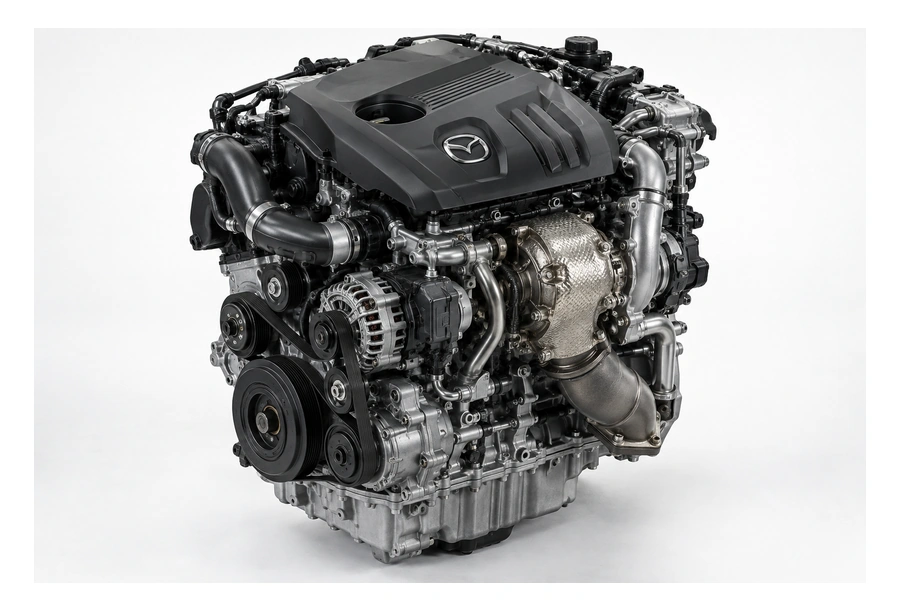
SHY1 is a 2.2-litre Mazda SkyActiv-D — inline-four, common-rail, turbocharged — quoted at 150 PS in reviewed CX-5 application records. Torque and the finer details shift with the derivative, so treat any single figure as a starting point and confirm it against your own car.
What are the main problems with the SHY1 engine?
Two complaints follow the 2.2 SkyActiv-D around: intake-valve carbon build-up and oil dilution. Neither means every engine is doomed — plenty of these units run to big mileage with proper servicing — but both are worth knowing before you buy a used one or sign off a rebuild.
A matching code tells you which family you're in — not what's wrong with the car in front of you. If carbon or dilution is confirmed, get the family in context through the engine directory before choosing a route.
Carbon build-up: rough idle, flat spots, warning lights. Inspect on evidence — a diagnostic scan or symptoms — not on the family's reputation.
Oil dilution: the level climbs above full and the oil smells of diesel, usually after lots of short runs and DPF regenerations. Watch the trend before condemning anything.
Diagnose first: compression and leak-down, oil pressure, cooling and a full electronic scan separate a fixable fault from a failed engine.
UK's Most Requested Engines — Based on 5,760+ Real Quotes (Last 90 Days)
These are the engines UK drivers ask us about most, ranked by real enquiry traffic through our network — useful context when you're weighing how much homework your engine deserves.
1
Most requested
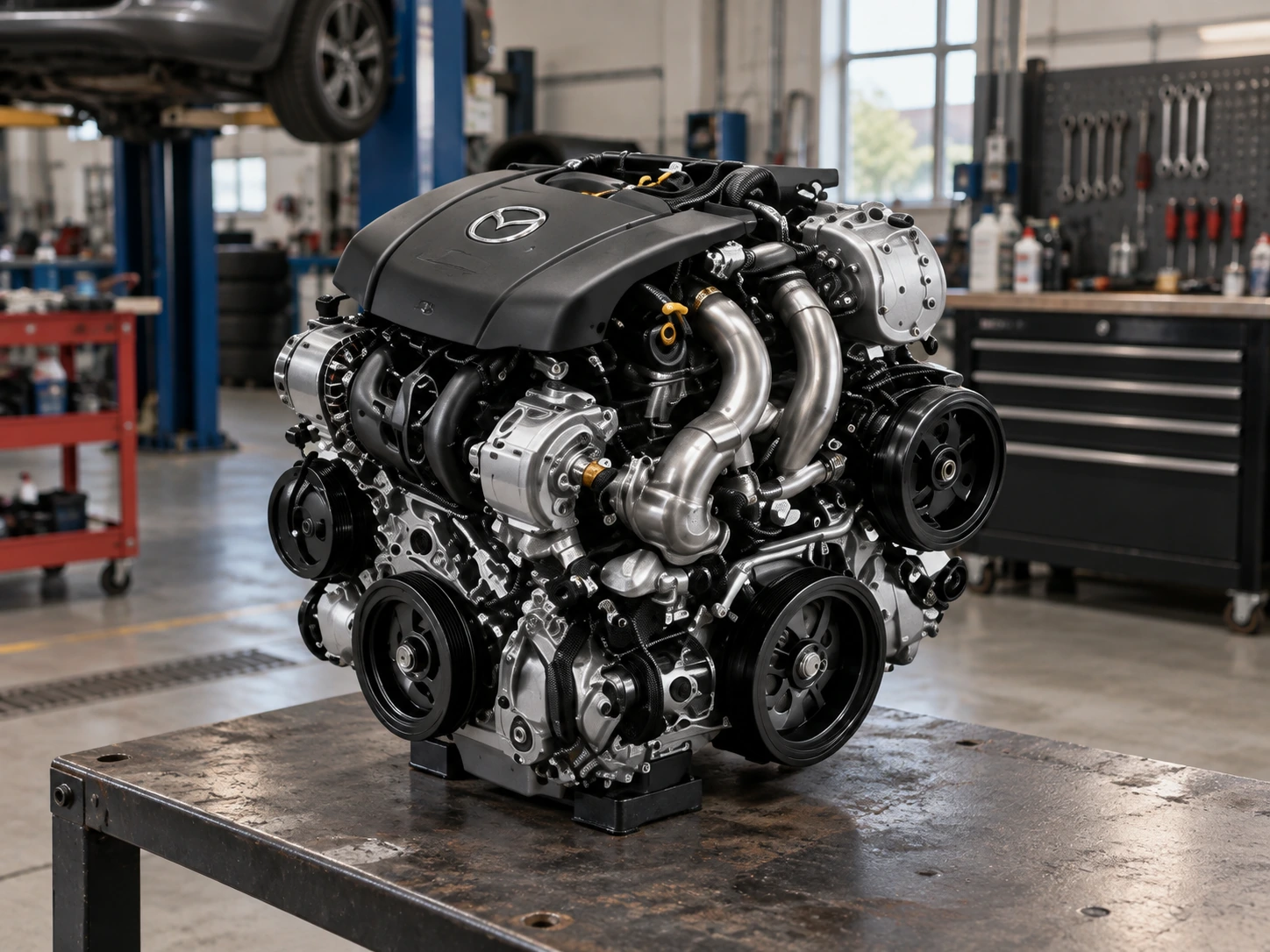
Mazda 6 2.2 SkyActiv-D Engine SH-VPTR / SHY family
Used & reconditioned · Business seller
Get multiple engine quotes across the UK
Typical fitment: Mazda 6
Engine option: SH-VPTR / SHY family
Top UK demand — the diesel most often researched for replacement
Seller from trusted UK supplier network
2
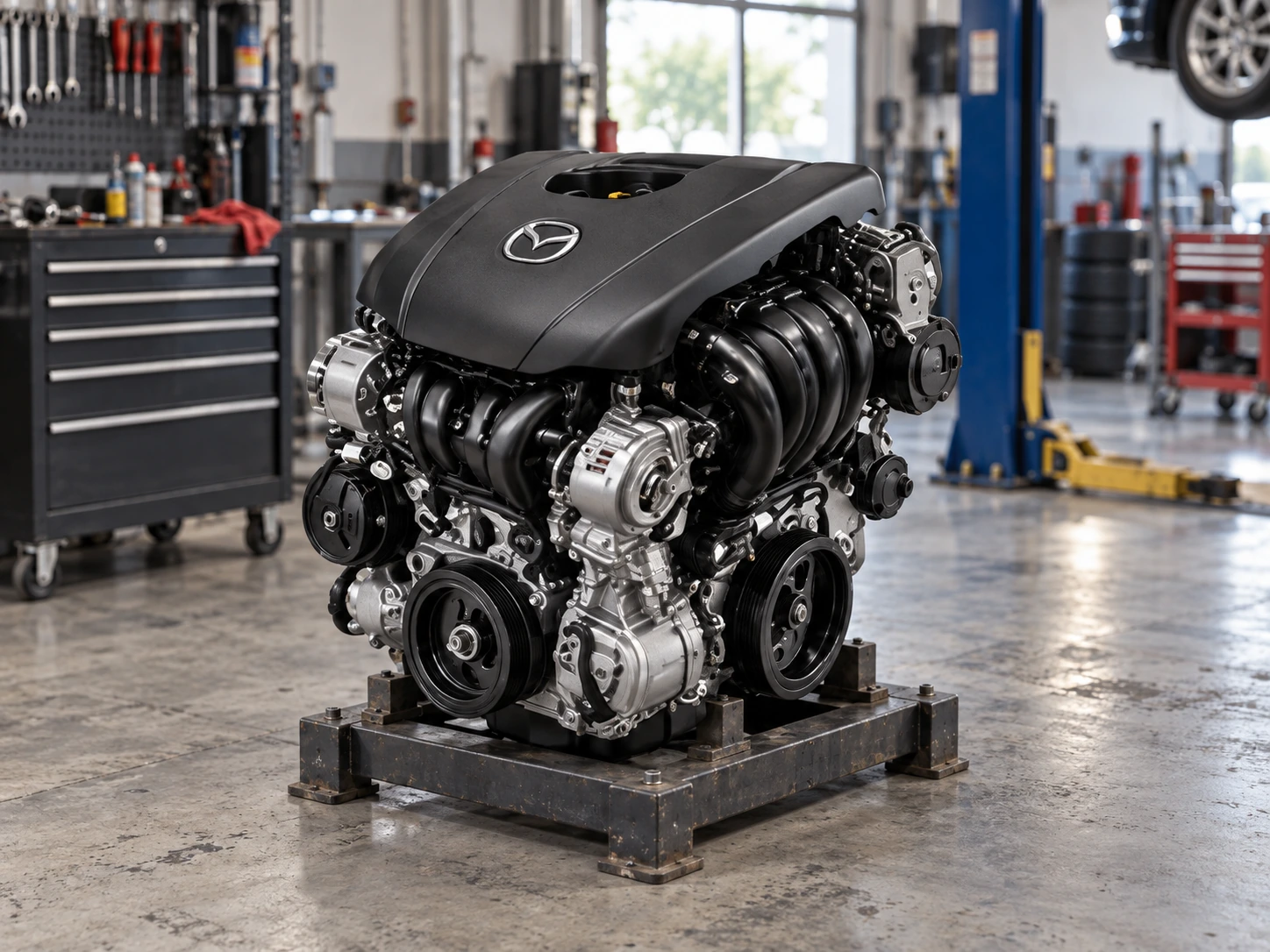
Mazda CX-5 2.2 SkyActiv-D Engine SHY1 / SHY4 / SHY6
Used & reconditioned · Business seller
Get multiple engine quotes across the UK
Typical fitment: CX-5
Engine option: SHY1 / SHY4 / SHY6
High demand; output and code vary by year
Seller from trusted UK supplier network
3
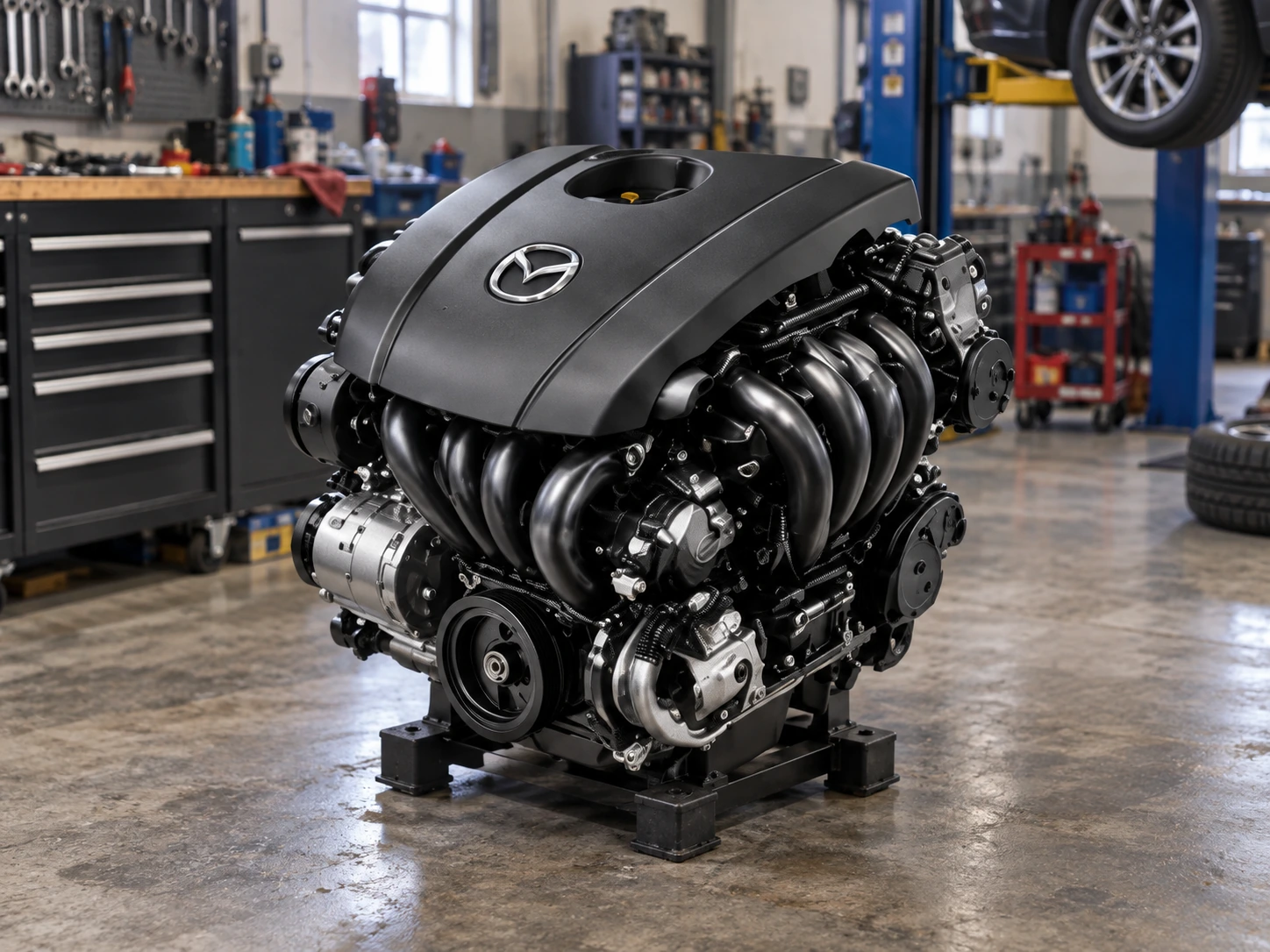
Mazda 3 2.0 SkyActiv-G Engine PE-VPS
Used & reconditioned · Business seller
Get multiple engine quotes across the UK
Typical fitment: Mazda 3
Engine option: PE-VPS
Volume petrol with several applications
Seller from trusted UK supplier network
4
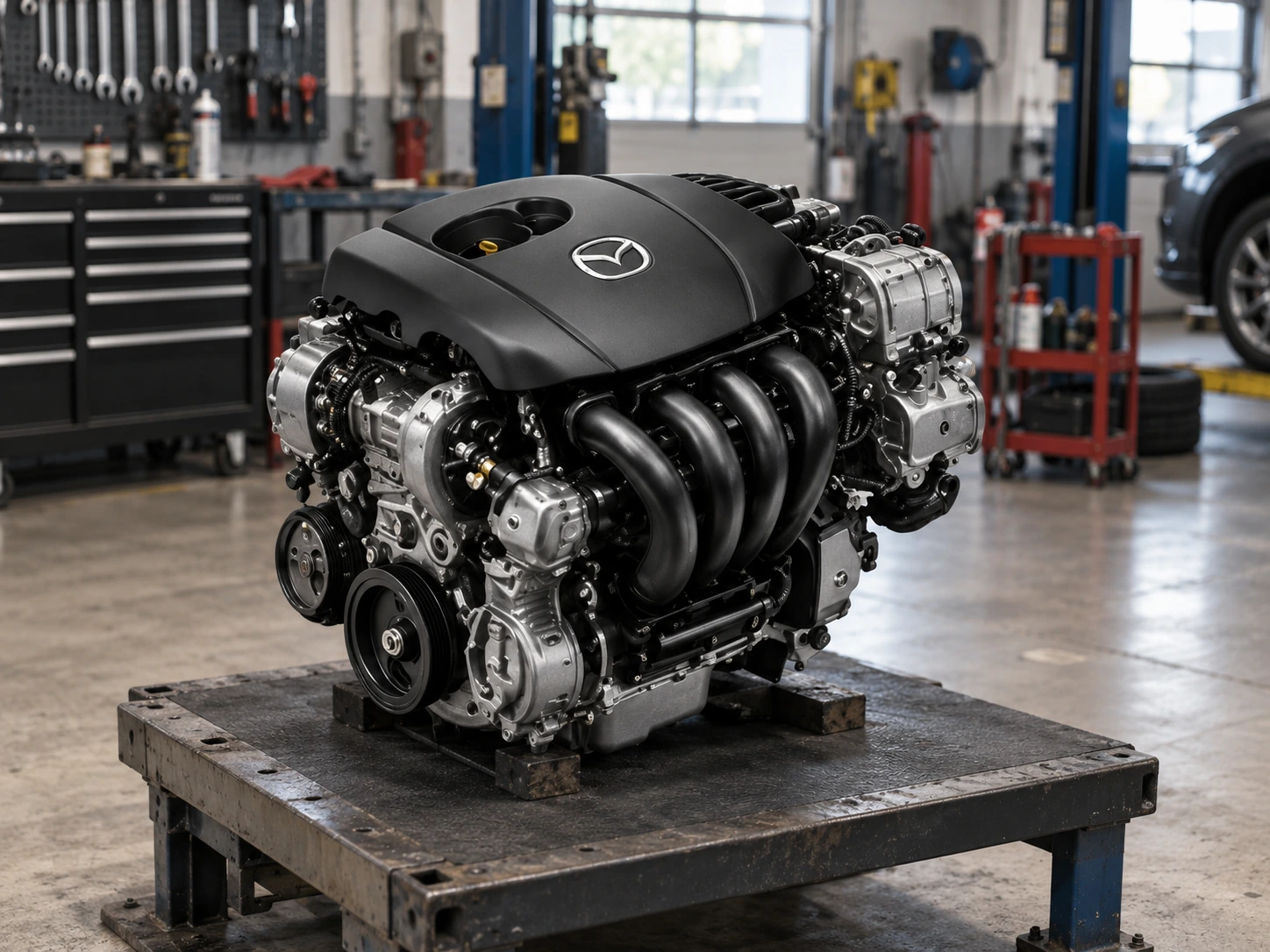
Mazda CX-3 1.5 SkyActiv-D Engine S5-DPTR
Used & reconditioned · Business seller
Get multiple engine quotes across the UK
Typical fitment: CX-3
Engine option: S5-DPTR
Steady CX-3 DK diesel demand
Seller from trusted UK supplier network
5
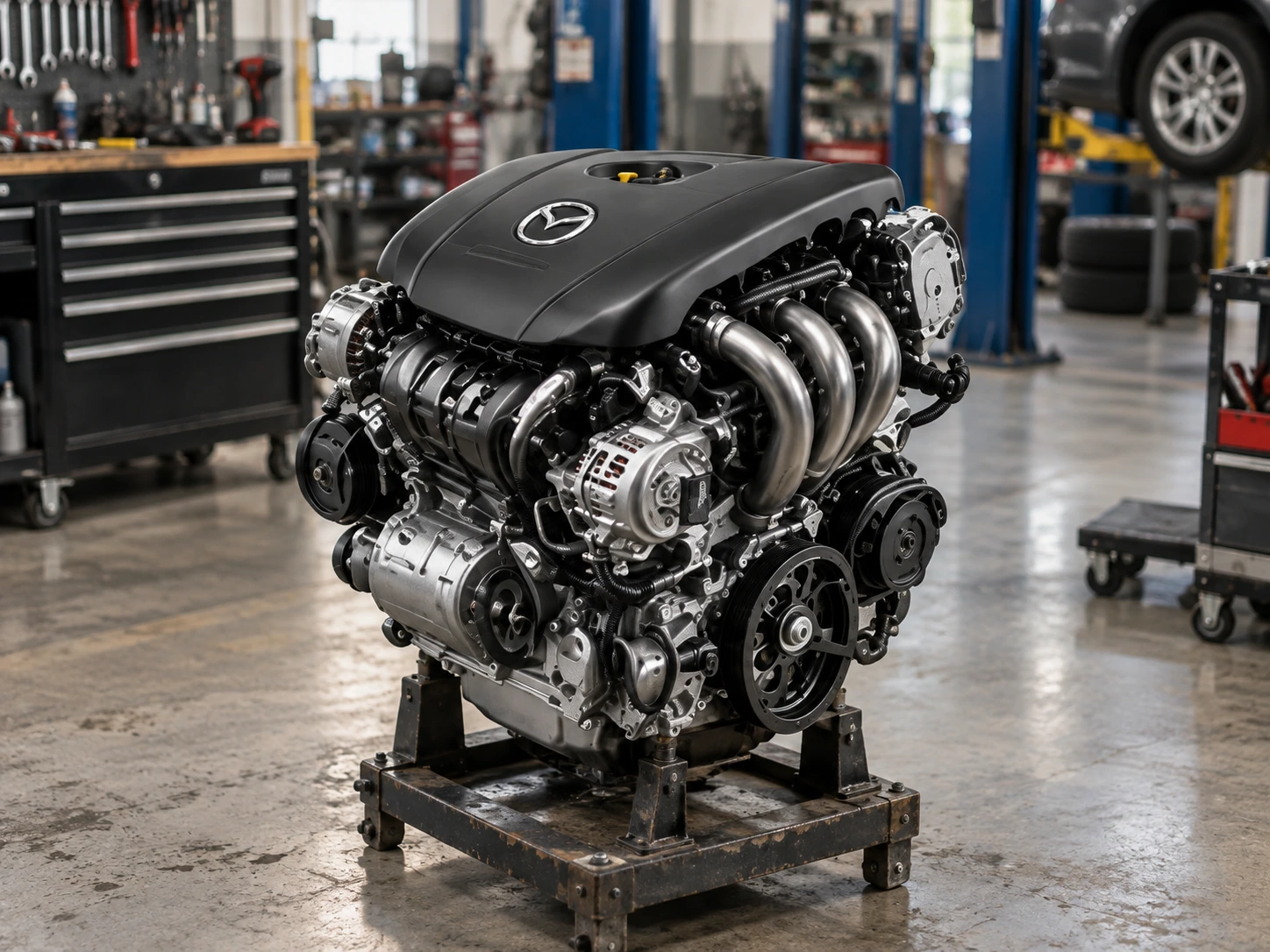
Mazda 2 1.5 SkyActiv-G Engine P5-VPS
Used & reconditioned · Business seller
Get multiple engine quotes across the UK
Typical fitment: Mazda 2
Engine option: P5-VPS
Small-car petrol volume
Seller from trusted UK supplier network
6
Mazda MX-5 1.5 / 2.0 SkyActiv-G Engine
Used & reconditioned · Business seller
Get multiple engine quotes across the UK
Typical fitment: MX-5
Enthusiast-driven demand
Seller from trusted UK supplier network
7
Mazda CX-60 3.3 e-Skyactiv D Engine T3Y4
Used & reconditioned · Business seller
Get multiple engine quotes across the UK
Typical fitment: CX-60
Engine option: T3Y4
Newest diesel; near-new donor market
Seller from trusted UK supplier network
8
Mazda CX-30 2.0 SkyActiv-G Engine PE-VPS / PEX family
Used & reconditioned · Business seller
Get multiple engine quotes across the UK
Typical fitment: CX-30
Engine option: PE-VPS / PEX family
Growing volume
Seller from trusted UK supplier network
9
Mazda BT-50 3.2 Duratorq diesel Engine P5-AT
Used & reconditioned · Business seller
Get multiple engine quotes across the UK
Typical fitment: BT-50
Engine option: P5-AT
Commercial workhorse demand
Seller from trusted UK supplier network
10
Mazda 2.5 SkyActiv-G Petrol Engine
Used & reconditioned · Business seller
Get multiple engine quotes across the UK
Typical fitment: CX-5, Mazda 6, CX-30, Mazda 3
Higher-capacity petrol
Seller from trusted UK supplier network
How should you verify SHY1 for a Mazda CX-5 enquiry?
Confirm the CX-5 registration, production period and specification, then physically verify the fitted engine identification. Treat an SHY1 replacement as suitable only after the supplier or workshop has matched the proposed unit against the individual vehicle.
UK registration number.
CX-5 model year or production period and derivative.
Physical SHY1 marking.
Engine size and fuel type.
Transmission and drivetrain.
Emissions and electronic specification.
Included components.
Diagnostic findings.
Reviewed Mazda engine guidance
Reviewed by the MazdaReplacementEngines.co.uk technical content team. Last updated: 21 September 2026.
Mazda CX-5 official owner's manual: https://owners-manual.mazda.com/gen/en/cx-5/cx-5_8ft1ee17b/index.html
The manual provides official CX-5 vehicle documentation but does not establish SHY1 or 150 PS as a universal mapping. Use exact application evidence for definitive claims.
If SHY1 has been identified during a Mazda CX-5 replacement-engine enquiry, start with the UK registration and physically verify the fitted engine code before ordering. SHY1 is associated with Mazda's 2.2-litre SkyActiv-D diesel family/application, but the code, a claimed power output or the CX-5 model name alone should not be treated as proof of interchangeability. Compare the proposed engine specification, diagnostic evidence, condition, included components, warranty and fitting scope before accepting a quote.
Engine identification
What is the Mazda SHY1 engine?
Core question.
Answer
SHY1 is an engine-code identifier associated with Mazda's 2.2-litre SkyActiv-D diesel family/application. Use the code as an important technical identifier, then verify the physical marking and individual vehicle details before selecting a replacement engine.
Additional detail
Use the UK registration to establish the vehicle-level information and compare it with the engine physically fitted. This is particularly important if the vehicle has had a previous engine change or if registration-derived information and the installed unit do not agree.
Verify the engine before ordering
UK registration number
CX-5 model year/production period and derivative
Physical SHY1 engine marking where accessible
2.2-litre diesel identification
Transmission and drivetrain
Relevant emissions/electronic specification
Included engine components
Existing diagnostic findings
How should you verify SHY1 for a Mazda CX-5 enquiry?
Confirm the CX-5 registration, production period and specification, then physically verify the fitted engine identification. Treat an SHY1 replacement as suitable only after the supplier or workshop has matched the proposed unit against the individual vehicle.
Diagnosis before replacement
What should be diagnosed before replacing an SHY1 engine?
Problem-solving heading.
Answer
A warning light, smoke, loss of power, abnormal noise or emissions-system problem does not automatically prove that the complete engine has failed. Diagnosis should distinguish internal mechanical damage from lubrication, cooling, turbocharging, fuelling, EGR/DPF, sensor and ancillary faults before replacement is approved.
Checks
Depending on the symptoms, useful evidence may include stored diagnostic fault codes, compression or leak-down results where appropriate, oil-pressure/lubrication findings, cooling-system checks and inspection of relevant turbo, intake and emissions systems.
When replacement makes sense
When does an SHY1 replacement engine make sense?
Decision question.
Answer
Replacement becomes a practical option when diagnosis supports major internal damage or when a documented repair route is no longer commercially sensible. Compare the likely repair outcome with the replacement unit's identity, evidence, warranty, total cost and fitting requirement before deciding.
Compare replacement routes
Which SHY1 replacement route should you compare?
Compare tested used, reconditioned and supply-and-fit options using the evidence and written scope behind each quotation. The best route depends on condition evidence, included components, supplier warranty, total cost, downtime and whether installation is required.
Tested used
For a tested used SHY1 engine, compare the exact engine identity, disclosed mileage, donor/provenance records, condition or testing evidence, included components and supplier warranty.
Reconditioned
For a reconditioned SHY1 engine, ask what was inspected, measured, repaired or replaced and review the documented testing results, included components and supplier warranty.
Supply & fit
For supply & fit, the written quotation should identify the proposed engine and installation scope. Depending on the job, this may include diagnosis, engine-code verification, removal, installation, fluids and filters, ancillary transfer, relevant coding/adaptation, diagnostic scanning, commissioning, road testing and final checks.
Compatibility and fitment checks
Does SHY1 guarantee Mazda CX-5 compatibility?
Critical question.
Answer
No universal fitment should be assumed from the SHY1 code or this page URL alone. The CX-5 ↔ SHY1 relationship and the proposed unit should be verified against reliable technical evidence and the individual vehicle before a definitive compatibility statement or purchase is made.
Additional detail
Production period, transmission, drivetrain, emissions hardware, electronics, ancillaries and included components can affect the replacement requirement. Keep model/code compatibility wording conditional wherever the technical evidence remains unresolved.
Output and specification checks
Does SHY1 always mean a 150-output version?
Addresses H1's existing '150' claim.
What to compare in a quote
What should an SHY1 engine quote include?
Answer
A useful quote should identify the exact proposed engine and state its condition, used-engine mileage where applicable, price, warranty, delivery, fitting if requested, expected timing and supplier identity/details. Compare offers after the engine requirement has been verified against the vehicle.
Additional detail
Relevant suppliers can send competing quotes by email and SMS/WhatsApp after an enquiry. Availability is confirmed after the enquiry rather than shown as real-time website stock, and the quote-comparison service itself is free to the customer.
Mazda SHY1 engine FAQs
What size is the SHY1 engine?
SHY1 is associated with Mazda's 2.2-litre SkyActiv-D diesel family/application. Verify the physical engine identification and individual vehicle specification before ordering a replacement.
Is SHY1 a petrol or diesel engine?
It is associated with Mazda's SkyActiv-D diesel family. Physically confirm the engine marking if the identity of the fitted unit is uncertain.
Can I identify SHY1 from my registration number?
The UK registration is the vehicle-level starting point, but replacement matching should also use the physical engine identification and relevant vehicle specification. This helps reduce errors where an engine may previously have been changed.
Can I buy a tested used SHY1 engine?
Relevant suppliers can quote tested used units where available. Compare engine identity, disclosed mileage, provenance, testing or condition evidence, included components and warranty before accepting an offer.
Can I get a reconditioned SHY1 engine?
Reconditioned options can be quoted where available. Ask for documentation of the work completed, parts replaced, inspections or measurements, testing results and supplier warranty.
Can an SHY1 engine be supplied and fitted?
Supply & fit can be requested. The written quotation should explain the proposed engine, installation scope, expected timing, relevant commissioning or coding work and warranty terms.
How much does an SHY1 replacement engine cost?
There is no reliable single fixed price because the quote depends on the exact unit, condition, mileage where applicable, availability, included components, delivery and fitting. Compare written like-for-like quotations.
Does a DPF or EGR fault mean the engine needs replacing?
Not automatically. Diesel emissions-system faults can produce serious symptoms without proving complete engine failure, so obtain diagnostic evidence before deciding on replacement.
Is the SHY1 code alone enough to order an engine?
No. Use the code together with the UK registration, physical engine identification and full vehicle specification, and ask the supplier to verify the proposed unit against the individual vehicle.
READY FOR THE NEXT STEP?
Get Engine Quotes →Get an SHY1 replacement-engine quote
Share the UK registration, physical engine identification, vehicle details, diagnostic information and whether you need engine only or supply & fit. Relevant suppliers can then quote so you can compare the proposed engine, evidence, price, warranty, delivery and fitting scope.
Reviewed Mazda engine guidance
Reviewed by the MazdaReplacementEngines.co.uk technical content team. Last updated: 15 September 2026.
Before publishing definitive CX-5 ↔ SHY1 or SHY1 ↔ 150 PS claims, verify them from authoritative technical evidence and record the source in the project's technical evidence sheet.